The History of the Galleria dell’Accademia
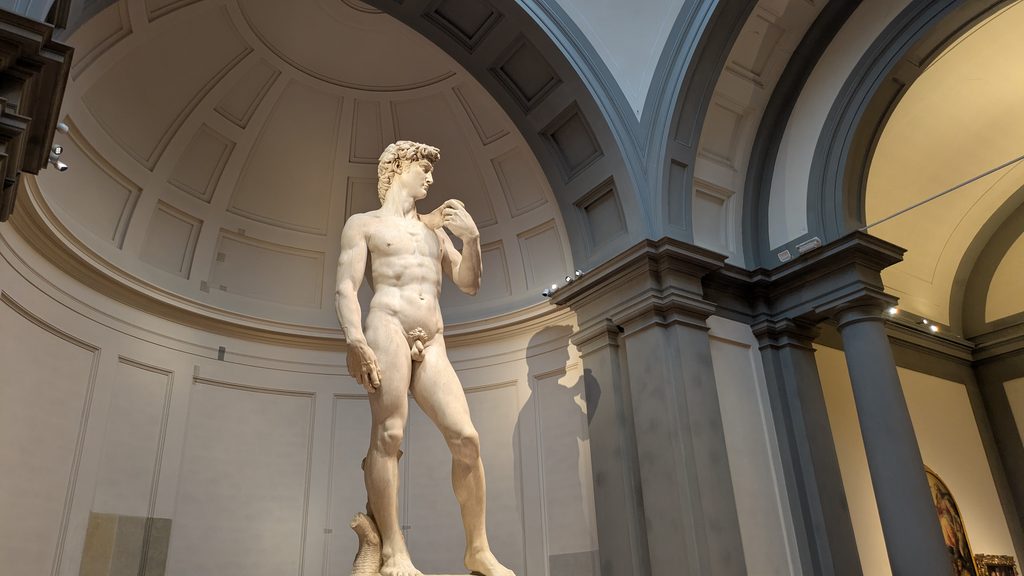
The Galleria dell’Accademia is one of Florence’s most famous art galleries, mainly because it’s home to Michelangelo’s incredible statue of David. There’s also a copy of David standing outside in Piazza della Signoria, but seeing the original in all its glory is something quite special!
However, the gallery’s history goes back much further than its famous sculpture. It was established in 1784 as the Academy of Fine Arts, a place where students could learn about art and develop their skills by studying the works of the great masters.
The academy was created within two existing historic buildings: the former Hospital of San Matteo, which dates back to the 14th century, and the nearby convent of San Niccolò di Cafaggio. It’s fascinating to think that these buildings, which once served very different purposes, would eventually become home to some of Florence’s most treasured works of art.
During the late 18th and early 19th centuries, paintings and sculptures from nearby churches and religious institutions were brought into the collection. This happened partly because religious institutions were being suppressed under the Grand Duke of Tuscany and, later, Napoleon Bonaparte. As a result, many beautiful works of religious art found a new home at the academy.
Of course, the biggest turning point in the gallery’s history came in 1873, when Michelangelo’s David arrived. The decision was made to move the sculpture indoors to protect it from further damage caused by the weather. Having stood outdoors in Piazza della Signoria for centuries, this magnificent marble masterpiece needed somewhere safer to call home.
There was just one small problem: its new home wasn’t ready! David spent nine years inside a wooden crate while architect Emilio De Fabris designed a special room, known as the Tribune. This was created specifically to display the statue, with a large skylight allowing natural light to illuminate the sculpture. David finally took his place in the gallery in 1882, where he remains the star attraction today.
During the 20th century, Florence’s galleries and museums reorganised their collections, and the Accademia was no exception. It retained David and several of Michelangelo’s unfinished sculptures, while some paintings were moved elsewhere and others were added to its collection.
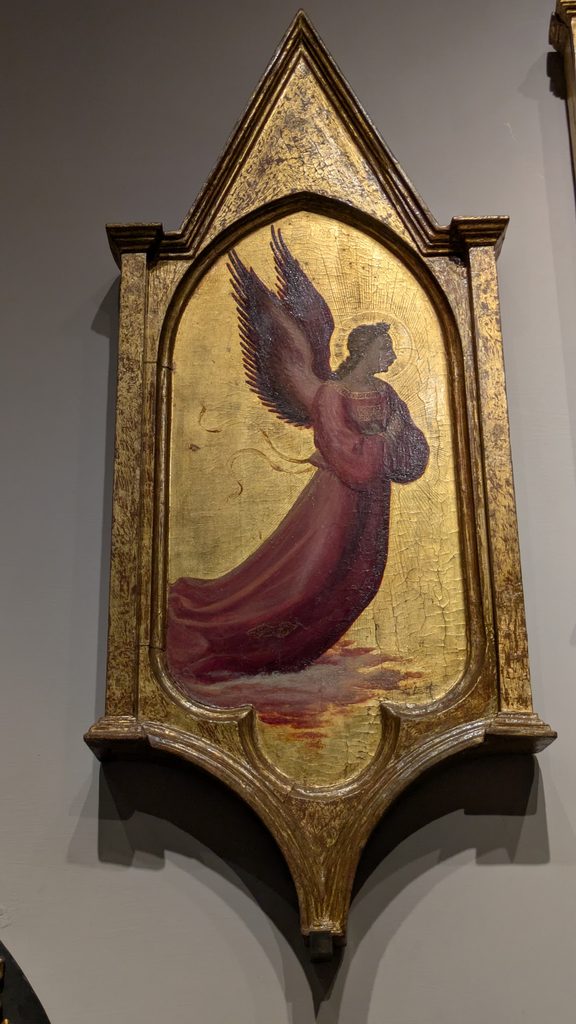
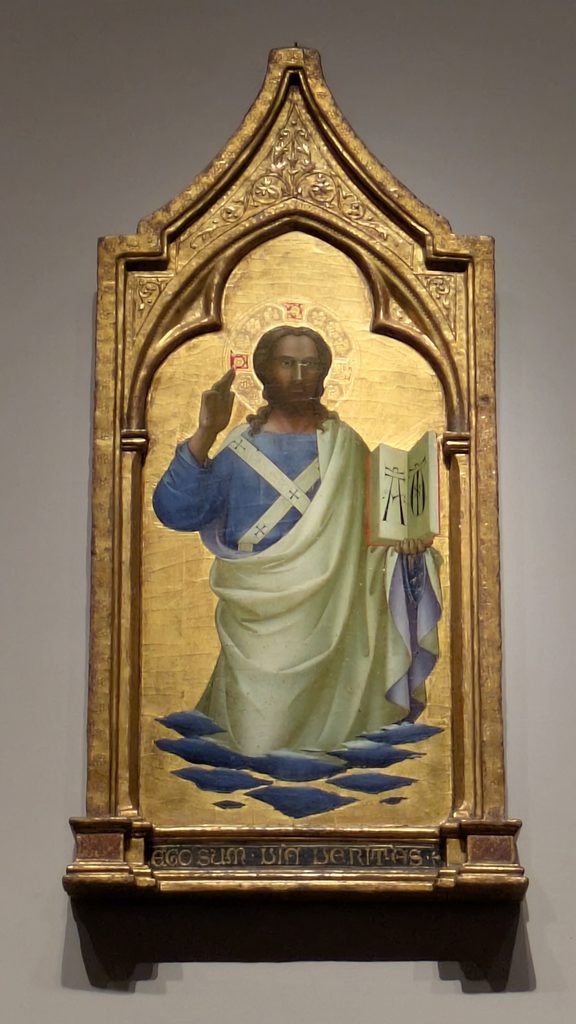
Today, the gallery houses a wonderful collection of religious art dating from the 14th century onwards, alongside plaster models and casts, sculptures and a collection of historic musical instruments. Some of these instruments once belonged to the Medici family, the powerful dynasty whose influence helped shape Florence’s artistic and cultural history.
What I find particularly interesting about the Accademia is that it was never originally intended to become one of the world’s most famous galleries. It began as a place of learning, where aspiring artists could study and practise their craft.
Over time, it became the guardian of some extraordinary works of art, with Michelangelo’s David transforming its fortunes. And while David quite rightly steals the show, it’s well worth taking the time to explore the other rooms too. They offer a wonderful glimpse into the artistic history that helped make Florence one of Europe’s great cultural centres.
My Visit to the Galleria dell’Accademia
I booked my tickets for the Galleria dell’Accademia eight weeks in advance, paying €24 for an adult ticket. I chose the first entry slot at 8:15 am, hoping to beat the crowds and enjoy seeing Michelangelo’s famous David before the gallery became too busy.
When I arrived at 8 am, there was already a queue for visitors with pre-booked tickets, along with a second queue for those hoping to buy tickets on the day. Once the doors opened, things moved pretty quickly. We were soon inside and passing through airport-style security scanners, which I found much quicker and more efficient than the security checks at the Uffizi Gallery the previous day.
Meeting David
The first gallery you enter is home to Michelangelo’s unfinished sculptures, known as the Prisoners. These lead you towards the magnificent statue of David, standing proudly at the far end beneath the large skylight.
And what a sight he is! Seeing the original sculpture in person is certainly impressive, and you can appreciate the incredible detail and skill that went into creating him.
However, I have to admit that I found one thing quite sad. So many people seemed to walk straight towards David, take the obligatory selfie and then head straight back out again. I suppose they had ticked another famous landmark off their sightseeing checklist!
Of course, everyone visits for different reasons, but I couldn’t help feeling that they were missing out on so much by not taking the time to look around the rest of the gallery. After all, there is more to the Accademia than just David.
Exploring the Gallery
The gallery is relatively small compared with the Uffizi, and you can comfortably see the main collections in around an hour. There are paintings, sculptures and other interesting exhibits to explore, although I found myself comparing the experience with my visit to the Uffizi the day before.
I left at around 9:30 am, and the queue outside was considerably shorter than when I had arrived. So, if you’re not keen on standing in a queue, it might be worth considering a 9 am entry slot rather than rushing to get there for the first admission. Of course, visitor numbers can vary, but it’s something to bear in mind when planning your visit.
There is a lift to the upper floor, as well as another lift down to the toilets, which is helpful for anyone who needs step-free access. One thing I did miss, though, was somewhere to sit. There are no benches in the galleries where you can take a breather or sit quietly while spending a little longer admiring a painting.
There is also no café inside the gallery, so don’t expect to stop for a coffee and a cake halfway around! There is, however, a large gift shop selling the usual selection of souvenirs, including bags, postcards, pens and books.
My Overall Impression
I have to be honest: I found the Galleria dell’Accademia rather underwhelming, especially after the wonderful experience of visiting the Uffizi the previous day.
David is undoubtedly magnificent, and I’m glad I had the opportunity.